What Are Lithium Batteries and How Do They Work?
Lithium Batteries have transformed the modern world. They power our smartphones, laptops, and electric vehicles. Their ability to hold a charge and recharge quickly makes them popular. However, the inner workings of lithium batteries can be complex.
At their core, lithium batteries are energy storage systems. They rely on chemical reactions to generate electricity. These reactions happen between lithium ions, electrodes, and electrolytes. But not all lithium batteries are the same. Variations exist, each with its unique characteristics and applications.
Despite their many advantages, lithium batteries face challenges. They can overheat or degrade over time. Environmental concerns also arise from mining and disposal. As technology evolves, the quest for safer and more efficient lithium batteries continues. Understanding their mechanics is crucial for the future of energy storage.
What Are Lithium Batteries?
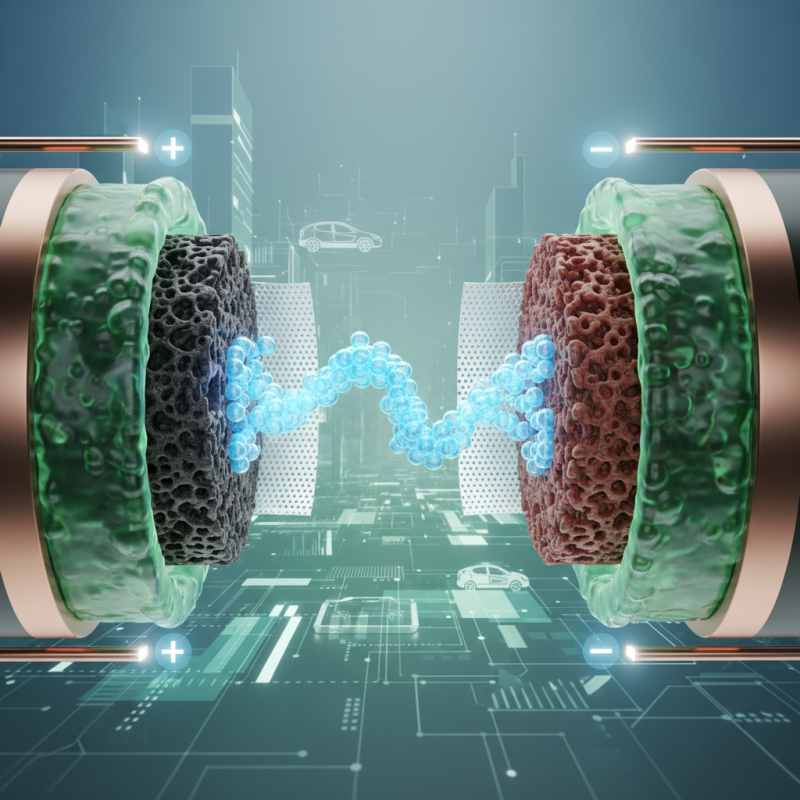
Lithium batteries are a common power source today. They are found in many devices, from smartphones to electric vehicles. These batteries use lithium ions to create energy. When the battery discharges, lithium ions move from the anode to the cathode. When charging, the process reverses.
What makes lithium batteries efficient? Their small size and light weight make them ideal for portable electronics. Additionally, they have a high energy density, allowing them to store more energy in less space. However, they can overheat or even catch fire if not handled carefully. This risk is something users should be aware of.
Not all lithium batteries are the same. Some have a limited lifespan and degrade over time. Users may experience reduced performance as capacity diminishes. Understanding how these batteries work is crucial for maximizing their use. Regularly checking for damage and ensuring proper charging habits can prolong battery life. Awareness can lead to safer and more effective usage.
The Chemistry Behind Lithium Battery Operation
Lithium batteries are a crucial part of modern technology. They store energy through a fascinating chemical process. At the core, lithium ions move between the positive and negative electrodes. This movement generates an electric current that powers devices. The electrodes are typically made of lithium cobalt oxide and graphite. These materials are chosen for their efficiency.
During discharge, lithium ions migrate from the anode to the cathode. In charging, the process reverses. This back-and-forth movement is essential for the battery's function. A typical battery will go through thousands of charge cycles. But, not all batteries will perform equally. Some may degrade faster due to temperature fluctuations or improper use.
Tips: Ensure you charge your battery at moderate temperatures. Extreme heat or cold can reduce battery life. Additionally, try to avoid letting the battery completely discharge frequently. This habit can lead to deeper cycles that may shorten its lifespan.
Understanding these processes can help users optimize battery use. A poorly maintained battery may not last long. Simple care can make a significant difference. Keeping devices updated can also enhance battery performance, thanks to better efficiency in software.
How Lithium-Ion Movement Powers Devices
Lithium batteries have revolutionized how we power our devices. The core of their functionality lies in the movement of lithium ions. When the battery charges, lithium ions move from the positive electrode to the negative one. This process stores energy. When you use your device, the ions flow back, generating power.
Understanding this movement is key. It affects how long your device lasts on a single charge. Over time, the efficiency of lithium-ion movement can diminish. This leads to shorter battery life. Devices may not last as long as they once did. Regularly monitoring battery health is crucial.
Tips: Avoid letting your battery drain completely. Charging it when it’s around 20% can prolong its life. Also, extreme temperatures can harm battery performance. Store your device in moderate conditions when not in use. This way, you maintain optimal lithium-ion movement and ensure lasting power.
Applications of Lithium Batteries in Everyday Life
Lithium batteries have become vital in our daily lives. They power a wide range of devices, from smartphones to electric vehicles. According to market research, the global lithium-ion battery market was valued at over $44 billion in 2020 and is expected to grow significantly. This emphasizes their ever-increasing importance.
In consumer electronics, lithium batteries offer lightweight and high energy density solutions. These batteries typically hold 3-4 times the energy density of traditional lead-acid batteries. This makes gadgets more portable and efficient. However, frequent usage raises concerns about degradation. After about 500 charge cycles, lithium batteries can lose up to 20% of their capacity.
Electric vehicles (EVs) rely heavily on lithium batteries for performance. They allow longer driving ranges, often exceeding 300 miles on a single charge. Despite advancements, challenges remain. The production of these batteries has environmental implications, mainly due to mining practices. Critics point out risks connected to resource extraction. Thus, while lithium batteries are incredibly useful, society must reflect on their environmental footprint as demand continues to rise.
Benefits and Challenges of Using Lithium Batteries
Lithium batteries have transformed energy storage in recent years. Their use spans from smartphones to electric vehicles. This widespread adoption brings both benefits and challenges.
One significant advantage of lithium batteries is high energy density. According to the International Energy Agency, lithium batteries can deliver up to three times the energy per kilogram compared to traditional lead-acid batteries. This efficiency means smaller, lighter devices that last longer between charges. Additionally, lithium batteries exhibit a relatively low self-discharge rate, allowing them to hold charge for more extended periods. They are also more environmentally friendly in terms of lifecycle emissions compared to fossil fuel-based energy sources.
However, the production and disposal of lithium batteries pose challenges. Mining lithium can lead to land degradation and water shortages in some areas. According to a study by the United Nations, the extraction process can require up to 500,000 gallons of water per metric ton of lithium extracted. Moreover, the recycling process is still underdeveloped. A significant amount of lithium batteries ends up in landfills, raising environmental concerns.
Tip: Always check local recycling options for lithium batteries to reduce environmental impact.
In conclusion, while lithium batteries offer impressive benefits, it is essential to address the environmental challenges they present. Innovations in sustainable extraction and recycling are crucial for the future of this technology.
Tip: Consider alternative energy storage solutions when evaluating your needs. Balancing efficiency with environmental responsibility is key.
Benefits and Challenges of Using Lithium Batteries