How to Use CNC Machine for Precision Glass Cutting Techniques?
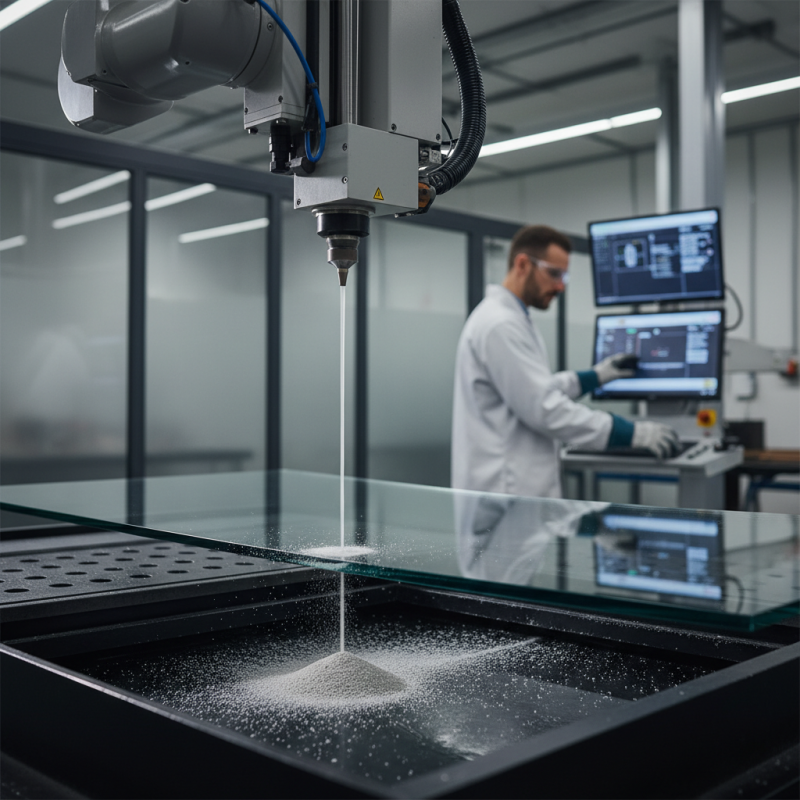
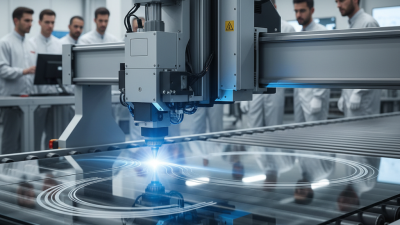
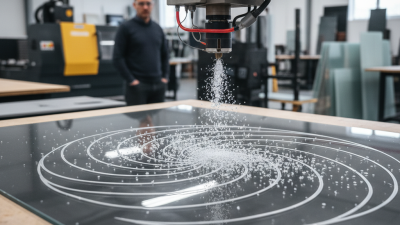
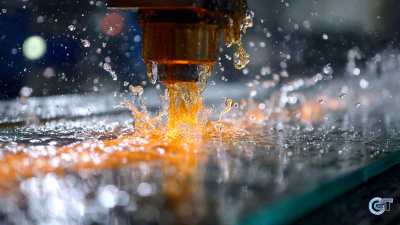
CNC machine glass cutting is revolutionizing the glass industry. This technology offers unmatched precision and efficiency. Many manufacturers now rely on CNC machines for intricate designs and detailed curves.
Using a CNC machine for glass cutting requires expertise. It is crucial to understand how to set up the machine properly. Calibration is key. If not done correctly, the results may be unsatisfactory. Operators must have knowledge of materials and tools involved. Each glass type reacts differently to cutting.
Moreover, safety should always be a priority. Working with glass can be hazardous. Proper protective gear is essential. It’s vital to address potential mistakes promptly. Learning from these experiences contributes to skill development. This combination of skill and technology creates stunning glass products that meet demanding specifications.
Understanding CNC Machines: Basics and Components for Glass Cutting
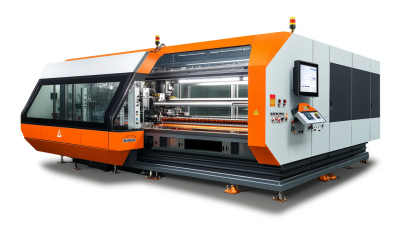
CNC machines offer remarkable precision for glass cutting. Understanding their basic components helps users maximize their potential. The heart of a CNC machine is the computer-controlled system. It drives the motion of the cutting tool. Key components include the spindle, motion system, and programming software. Each part influences the overall cutting performance.
When working with thin glass, the cutting speed is crucial. A slow feed rate prevents chipping and breakage. Conversely, too fast speeds can cause the glass to fracture. Monitoring the spindle speed is essential. Ensure it meets the material's requirements for best results.
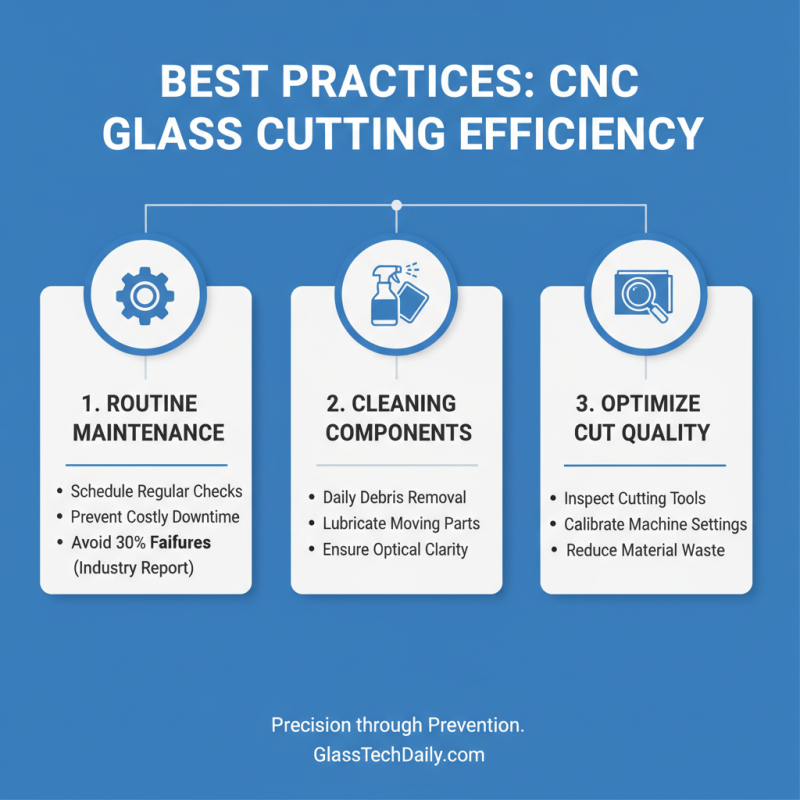
Tips: Regularly maintain the machine for optimal performance. Clean the cutting tools to avoid residue buildup. Invest time in learning the software. Even slight errors in programming can lead to significant imperfections in the final product. Understanding these foundations allows for improved craftsmanship.
Precision Glass Cutting Techniques: The Role of CNC Technology
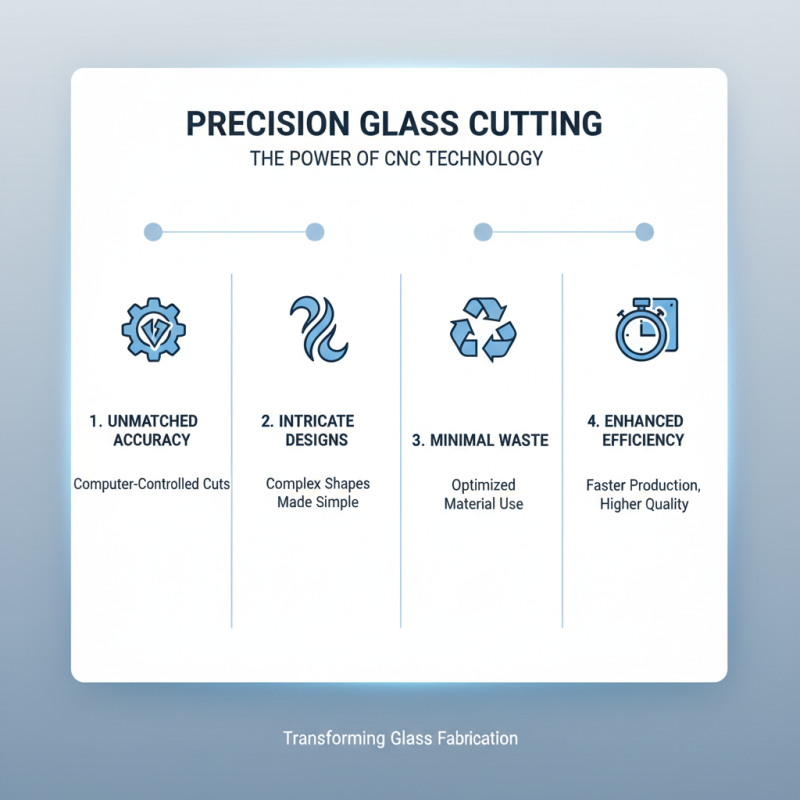
CNC technology has transformed precision glass cutting, offering unmatched accuracy and repeatability. This innovation allows artisans and manufacturers to create intricate designs with minimal waste. Utilizing a computer-controlled system ensures each cut adheres to exact specifications, enhancing both the quality and efficiency of the production process.
Tips for achieving optimal results include maintaining clean tools and work surfaces. Regular maintenance of the CNC machine can prevent costly errors. Monitor the machine settings carefully to ensure precision. It's vital to experiment with different cutting speeds and feeds to find the best combination for various glass types.
CNC machines, while advanced, are not foolproof. Users must remain vigilant. Incorrect programming can lead to shattered glass or uneven cuts. Understanding the material's properties is crucial, as different glass types respond uniquely to cutting techniques. Adjusting your approach based on this knowledge will yield better outcomes.
Industry Standards: CNC Machine Accuracy in Glass Cutting Applications
CNC machines are vital for precision glass cutting applications. Industry standards often demand high accuracy levels. According to a recent report by the International Society for Precision Engineering, CNC machines can achieve tolerances up to ±0.01 mm. This precision is crucial for creating intricate designs and ensuring the quality of glass products.
Despite the capabilities of these machines, challenges remain. Variability in glass materials can affect cutting accuracy. For instance, thicker glass may not cut as smoothly as thinner sheets. Reports indicate that improper calibration can lead to deviations as high as 0.5 mm in the final product. This highlights the need for regular maintenance and calibration of CNC machines.
Moreover, the cutting speed plays a significant role in achieving the desired outcomes. Optimal speeds vary depending on the thickness and type of glass. A widely accepted speed range for glass cutting is between 25 to 100 inches per minute. However, exceeding these speeds can result in poor edge quality or even breakage. Understanding the balance between speed and accuracy is essential for operators.
Step-by-Step Process: Programming CNC Machines for Glass Cutting
When programming CNC machines for precision glass cutting, attention to detail is paramount. Start by selecting the right software that supports glass cutting operations. Most CNC machines require specific G-code programming. A recent industry report indicates that 65% of precision glass cutting accuracy depends on proper programming. Incorrect parameters can lead to defects.
After selecting your software, prepare your glass material. Materials need to be free of impurities to ensure clean cuts. During the programming process, input precise measurements. Precision is crucial; one wrong measurement can result in a flawed cut. Some operators underestimate the importance of tool paths. Establishing optimal paths reduces the risk of chipping and cracking.
Continuous monitoring of the cutting process is essential. Many experienced operators recommend a close watch on the spindle speed and feed rate. A 10% variation in these parameters can significantly impact the result. Newcomers may find programming and adjustments challenging. Collecting feedback after each cut helps improve future operations. Embrace the imperfections in your initial programming attempts and learn from them.