How to Choose the Best Glass Tilting Loading Table for Your Needs?
Choosing the right Glass Tilting Loading Table can be challenging. Many factors affect the decision-making process. These tables are essential in various industries, offering efficiency and versatility.
When selecting one, consider your specific needs. The size and weight capacity matter significantly. Different projects require different specifications. A table that works for one might not suit another. This can lead to frustration.
You should also evaluate the material quality. Cheaper options may save money initially but can lead to issues later. Durability is key. Inspect the tilting mechanism as well. It should operate smoothly without safety concerns. A balance between cost, function, and longevity is crucial for a successful investment.
Understanding Glass Tilting Loading Tables and Their Uses
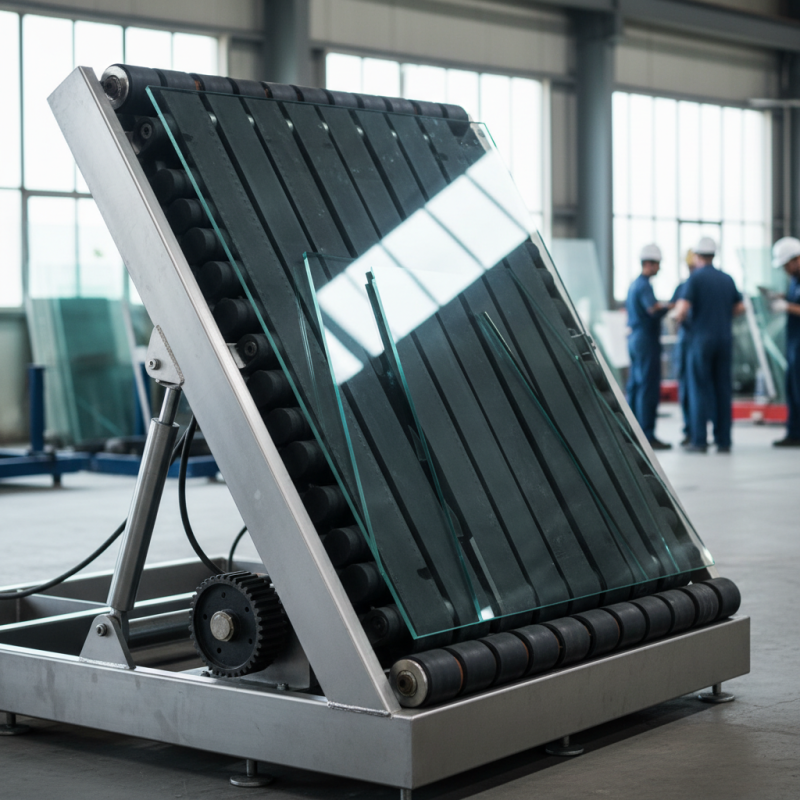
Glass tilting loading tables are versatile tools in various industries. They enable efficient handling and processing of glass sheets, improving workflow. These tables come with specific features that cater to different needs. A study from the Glass Industry Association indicated that 70% of facilities reported increased productivity after implementing these tables.
Understanding how these tables work is crucial. They allow easy loading and unloading by tilting the glass at optimal angles. This reduces the risk of damage during handling. However, some users face challenges in selecting the right model. The wrong choice can lead to inefficiencies. For example, tables with inadequate weight capacity may struggle under heavier loads. This raises questions about proper planning and evaluation.
The market offers various options, including manual and hydraulic systems. Each type has its pros and cons. A report from the Manufacturing Engineering Society noted that hydraulic tables reduce physical strain on workers. But they can be more complex to maintain. It’s essential to reflect on your specific needs. Each feature of a table should align with your daily operations.
Key Features to Look for in a Glass Tilting Loading Table
When selecting a glass tilting loading table, consider key features that align with your needs. The table's adjustable tilt is essential. A gentle tilt enhances ergonomics, reducing strain during loading. Ensure the table's height is suitable for your workspace. A table that's too high or low can lead to discomfort.
Look for a sturdy frame. A solid construction guarantees stability, even under heavy loads. Check the table's weight capacity. Some tables might look appealing but can't handle large items. Glass surfaces should be durable; tempered glass is often a good choice. Ensure it resists scratches and is easy to clean.
Ease of mobility is another factor. Tables with wheels offer flexibility in various work environments. However, if wheels are too small, they may hinder movement. Evaluate your workspace. Will a stationary table be better? These reflections help shape your choice. Functionality is vital, but aesthetics can’t be ignored. Balancing these elements might be challenging, yet it's essential.
Comparison of Key Features in Glass Tilting Loading Tables
This bar chart compares key features of three different glass tilting loading tables, highlighting their weight capacity, table size, tilting angle, material quality rating, and pricing. Make an informed decision based on your specific needs.
Assessing Material Quality and Durability for Longevity
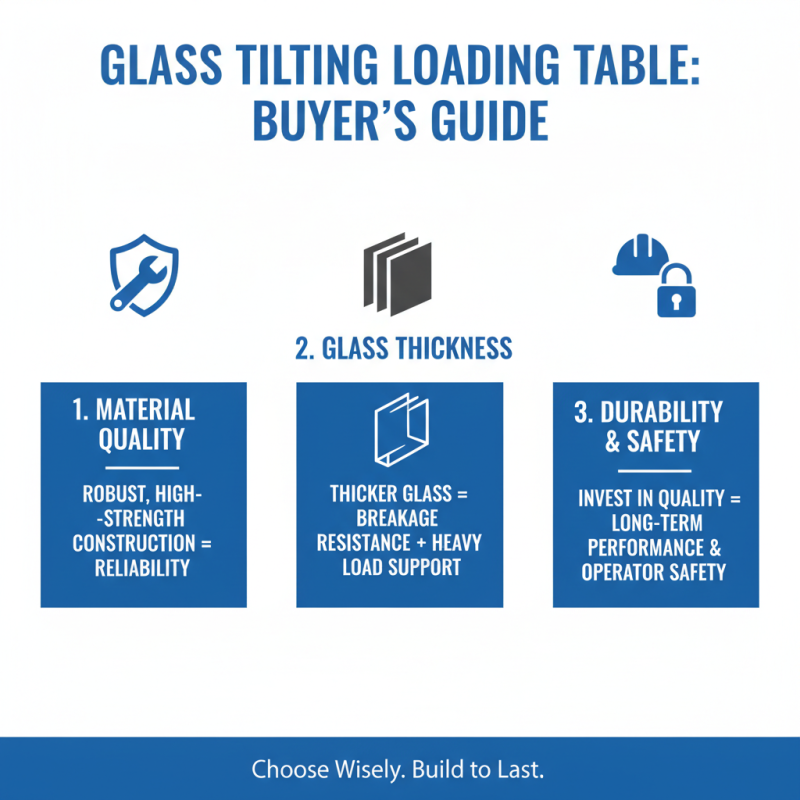
When choosing a glass tilting loading table, material quality is crucial. The construction materials directly impact a table's reliability. Opt for tables made from robust, high-strength materials. Glass thickness also matters. Thicker glass resists breakage and offers better support for heavy loads.
Durability is equally important for longevity. Consider tables that use a sturdy frame. Metal frames often provide excellent support. However, watch for signs of rust or wear. These can indicate a loss of strength over time. Regular maintenance helps extend the life of your table.
Reflect on your specific needs. Not every table suits every environment. Think about frequency of use and load types. A table may look great, but if it cannot withstand your demands, it’s not the right choice. Prioritize materials and construction over aesthetics to ensure lasting performance.
Comparing Brands and Customer Reviews for Informed Choices
When selecting a glass tilting loading table, customer reviews play a crucial role. They highlight real user experiences, offering insights about durability, design, and functionality. Many reviews detail how these tables perform under pressure. Some users appreciate a sleek surface, making clean-up easier. However, others mention scratches and chips appearing over time. Such feedback can guide your choice, helping you avoid potential disappointments.
Comparing different products can be overwhelming. Look for patterns in reviews. A common theme might emerge regarding the stability of the table during use. Some customers praise a sturdy build, while others raise concerns about wobbling. Not all tables are created equal. A single review may lack context, but a collection of them gives a comprehensive picture. Pay attention to how often customers note issues with assembly. This can save you time and frustration.
It’s essential to consider your unique needs. What works for one user might not work for you. Observing the photos shared by reviewers can reveal a lot. The aesthetics of the table matter, but functionality is key. Are there complaints about weight capacity? Questions about ease of use? These factors can significantly impact your decision. Exploring customer feedback is an invaluable approach to making an informed choice.
How to Choose the Best Glass Tilting Loading Table for Your Needs?
| Feature |
Option 1 |
Option 2 |
Option 3 |
| Load Capacity |
500 lbs |
750 lbs |
1000 lbs |
| Table Size |
48"x24" |
60"x30" |
72"x36" |
| Tilt Angle |
30° |
45° |
60° |
| Material Quality |
High Grade Glass |
Tempered Glass |
Scratch Resistant Glass |
| Customer Rating |
4.5/5 |
4.8/5 |
4.2/5 |
| Price Range |
$150 - $200 |
$250 - $300 |
$350 - $400 |