How to Choose the Best Automatic Glass Cutting Table for Your Business?
Choosing the right Automatic Glass Cutting Table is crucial for your business. This decision impacts efficiency and product quality. A well-selected cutting table enhances precision, reduces waste, and accelerates production.
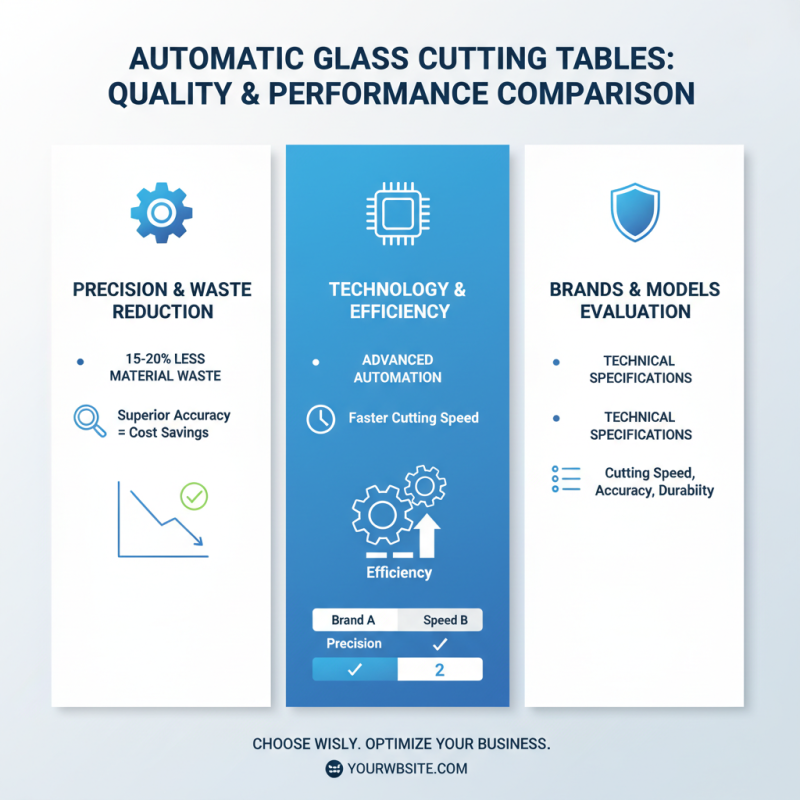
Understand your specific requirements before diving into options. Consider the kind of glass you frequently work with, as not all tables excel in every material type. Research the technical specifications, such as cutting accuracy and the range of glass thicknesses. Reliable brands often offer better support and warranty options.
However, be cautious. Not all automatic tables offer the same reliability. Some users have faced issues with software updates or machinery malfunctions. Read reviews from various sources. Speak to industry experts. Ensure you understand both the potential benefits and pitfalls of each option. A thoughtful choice today can save you time and money tomorrow.
Understanding the Importance of Automatic Glass Cutting Tables for Businesses
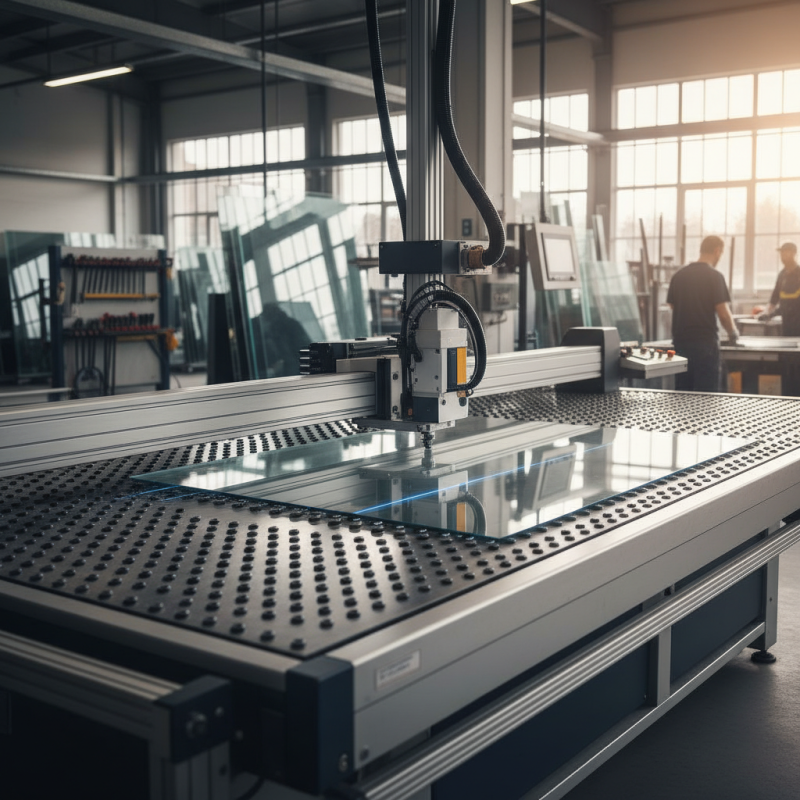
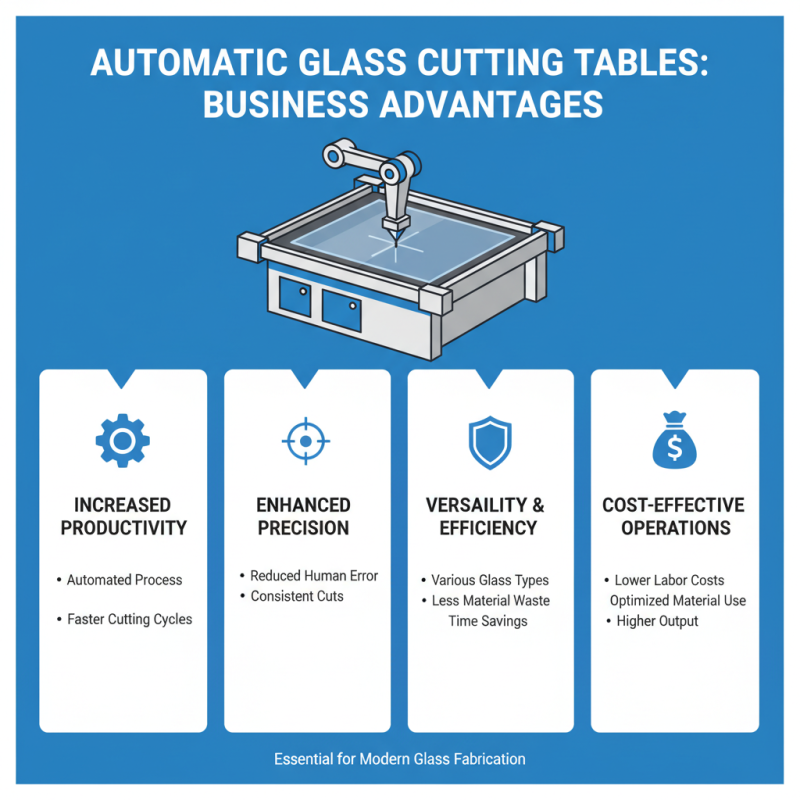
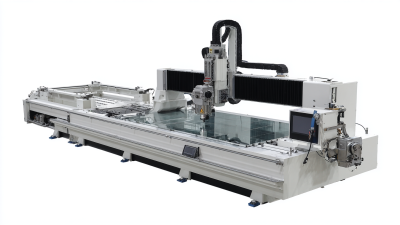
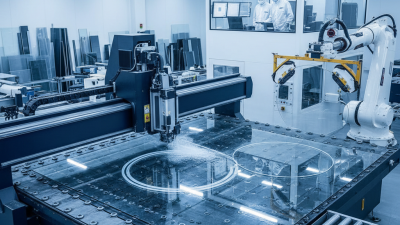
Automatic glass cutting tables play a crucial role in modern glass fabrication businesses. They enhance productivity and precision, making them essential tools. These tables automate the cutting process, reducing human error. With advanced technology, they can handle various glass types and thicknesses, offering versatility to manufacturers. Businesses can save time and reduce waste, resulting in cost-effective operations.
Investing in the right table means considering your specific needs. Some tables focus on speed, while others emphasize accuracy. A lack of proper research can lead to poor investment decisions. It's important to evaluate features like cutting speed, software capabilities, and maintenance requirements. Not every table fits all needs, so understanding your workflow is vital.
Moreover, training staff on these tables is often overlooked. Employees must be familiar with the machinery for optimal performance. Regular maintenance is essential to avoid downtimes. Even the best machines can falter without proper care. By paying attention to these factors, businesses can fully leverage the benefits of automatic glass cutting tables.
Key Features to Consider When Selecting an Automatic Glass Cutting Table
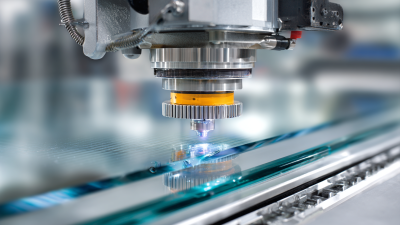
When selecting an automatic glass cutting table, there are several key features to consider. Precision is paramount. Research shows that accurate cutting reduces material waste by up to 30%. Look for tables that use advanced laser or digital cutting technologies. These methods enhance efficiency, providing cleaner cuts and quicker turnaround times.
Another essential factor is the table’s size and adaptability. Depending on your business needs, choose a model that fits your workspace. Some tables offer modular designs, allowing easy expansion in the future. In addition, evaluate the software integration. User-friendly interfaces can significantly decrease training time for new employees and improve overall productivity.
Safety features should not be overlooked. Many tables now include built-in safety sensors that minimize the risk of accidents. This is crucial in a high-production environment where hazards are present. Consider the maintenance and support offered by suppliers. A reliable warranty and access to technical support can save costs in the long run. Ultimately, selecting the right glass cutting table is a significant investment, and your choice should align with operational demands.
Evaluating the Size and Capacity for Your Specific Business Needs
Choosing the right size and capacity for an automatic glass cutting table is crucial for your business's efficiency. An analysis of industry reports indicates that businesses experience a 20% increase in productivity when using appropriately sized equipment. Knowing your production volume helps you select a table that meets your needs without excessive unused space. Efficient use of space contributes to better workflow and reduces job delays.
Many businesses overlook the table's capacity in relation to specific tasks. A table that is too small can limit the size of glass panels you can cut, impacting customer satisfaction. For instance, a local fabrication shop observed a 15% rise in on-time deliveries after upgrading to a larger table. Evaluating your business's typical glass dimensions is vital. If you frequently handle oversized panels, ensure the machine accommodates those sizes comfortably.
Balancing size, capacity, and available workspace is challenging. Measure your workspace carefully and consider the entire production process. A cutting table that fits well in your facility can enhance efficiency. However, selecting a table that’s too large can create difficulties in maneuvering and may increase costs. Regular assessments of production needs will inform future upgrades and adjustments to your operations.
How to Choose the Best Automatic Glass Cutting Table for Your Business? - Evaluating the Size and Capacity for Your Specific Business Needs
| Model |
Table Size (mm) |
Max Glass Size (mm) |
Cutting Speed (m/min) |
Weight Capacity (kg) |
Price ($) |
| Model A |
3000 x 2000 |
3000 x 2000 |
10 |
500 |
5000 |
| Model B |
4000 x 2500 |
4000 x 2500 |
12 |
700 |
6500 |
| Model C |
5000 x 3000 |
5000 x 3000 |
15 |
1000 |
8000 |
| Model D |
2500 x 1500 |
2500 x 1500 |
8 |
300 |
3500 |
| Model E |
3500 x 2000 |
3500 x 2000 |
11 |
600 |
5500 |
Budgeting for an Automatic Glass Cutting Table: Cost vs. Value
When considering an automatic glass cutting table, budgeting is key. Understand how much you can afford to spend. Then, analyze the long-term value of your investment. Often, cheaper tables may lack essential features that improve efficiency. A subpar machine might lead to increased waste and higher operational costs.
Evaluate the cost versus value ratio carefully. A more expensive model may deliver precision and durability, saving time and material in the long run. Check the specifications closely. Look for features like automatic scoring and programmable settings. These aspects can enhance productivity and reduce labor costs. Many businesses overlook maintenance costs while planning their budget. Regular maintenance ensures longevity and optimal performance, thus emphasizing the need for a solid warranty.
It’s easy to feel overwhelmed by choices and prices. A poorly chosen table can disrupt operations, leading to frustration and financial loss. Take time to assess your needs and gather insights from industry experts. Sometimes, investing a bit more upfront translates to greater savings over time. Balancing initial costs against future savings is crucial for a smart investment.
Cost vs. Value of Automatic Glass Cutting Tables